
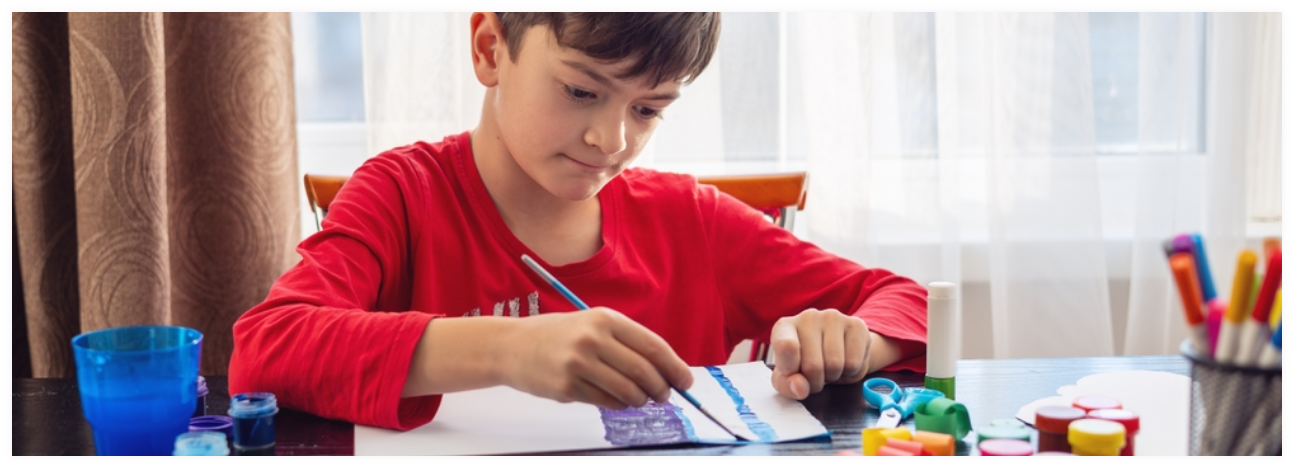
Social situations can be one of the hardest areas for children to navigate, especially when interactions don’t come naturally. In Summit, New Jersey, this often shows up during playdates, group activities, or in the classroom, where a child may hesitate to join in, struggle to keep a conversation going, or become frustrated with peers. Over time, these moments begin to affect confidence, friendships, and how your child experiences school.
Social skills training gives your child a place to practice these moments with guidance and support. Instead of learning in isolation, your child works within a small group where skills like conversation, turn-taking, and flexibility are practiced in real time with peers. This helps bridge the gap between knowing what to do and being able to do it naturally.
Support is guided by an applied behavior analysis therapist, with close BCBA involvement and a consistent clinical team that helps each child stay engaged without feeling overwhelmed. Groups are intentionally kept small, with sessions that are structured but play-based and designed to reflect real situations your child encounters at school, at home, and in the community.
For many children, social interaction isn’t something that develops naturally. They may want to join in but feel unsure how to start, what to say, or how to respond when things don’t go as expected. This can lead to hesitation, frustration, or avoiding group situations altogether.
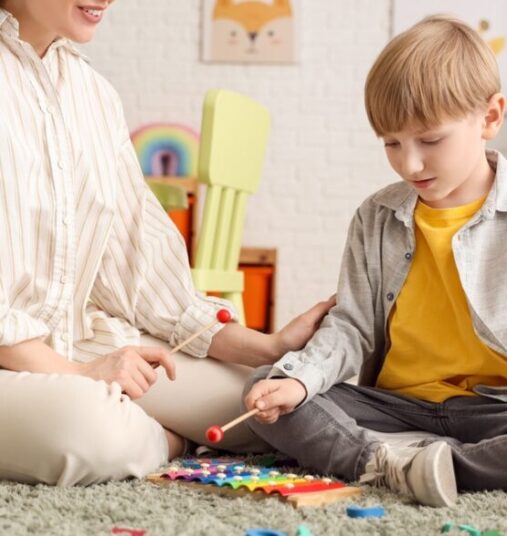
Social skills groups create a structured environment where these interactions are practiced with support. Your child works alongside peers, learning how to take turns, start conversations, and respond during play in a way that feels guided rather than overwhelming, something that cannot be fully replicated in one-on-one settings. This type of practice helps move skills beyond theory and into real interaction.
Over time, children begin to feel more comfortable in group settings, especially in situations that previously felt difficult or overwhelming. This often shows up in small but meaningful ways, such as taking part in group activities more easily, responding during conversations, or staying engaged with peers for longer periods of time.
Group size and structure play a major role in how comfortable a child feels when learning social skills. Larger or unstructured groups can quickly become overwhelming, especially for children who are still building confidence or learning how to engage with others.
Social skills groups are intentionally kept small, typically with 6 to 8 children and two trained staff members guiding each session. This allows each child to receive support while still having enough peer interaction to practice real social situations. This level of support makes it possible to provide real-time guidance without children feeling overlooked or rushed. Groupings are thoughtful, so children are paired with peers at a similar level, helping interactions feel more natural and less intimidating.
For children who are more reserved or unsure in group settings, this type of environment makes it easier to participate without pressure. It creates a balance between structure and flexibility, where your child can take part at their own pace while still building the skills needed to engage with others.
Social skills aren’t learned through explanation alone. They develop through practice. Sessions are designed to give your child repeated opportunities to interact with peers while being guided in the moment. Instead of being corrected after the fact, your child is supported as situations unfold, making it easier to understand what to do and how to respond.
Skills practiced during sessions may include:
Activities are built around live peer interaction, such as games, shared tasks, and group play. These moments create natural opportunities for your child to practice skills in context, with support provided in real time as situations unfold.
This approach helps skills become more natural over time. Rather than memorizing what to say, your child learns how to respond flexibly in different situations, which allows social interactions to feel more comfortable and less stressful.
511 Valley St, Maplewood, NJ 07040, United States
Mon: 8:00am – 6:00pm
Tues: 8:00am – 6:00pm
Wed: 8:00am – 6:00pm
Thurs: 8:00am – 6:00pm
Fri: 8:00am – 6:00pm
Sat: Closed
Sun: Closed
Please call (973) 902-8330 to check for availability and schedule an appointment
Children develop social skills at different rates, and their needs can vary depending on how they process communication, attention, and interaction. A one-size approach can make it harder for some children to keep up, while others may not feel challenged enough.
Groups are structured based on both age and skill level to make sure each child is in an environment that fits how they learn. Younger groups focus on foundational skills like turn-taking, sharing, and simple conversation, while older groups build on more complex areas such as perspective-taking, flexible thinking, and managing group dynamics.
There are also groups designed specifically for children with ADHD, where the focus includes executive functioning, emotional regulation, and impulse control. These sessions often incorporate movement-based activities and structured games to match how children with ADHD engage and learn best.
This type of structure helps each child participate more comfortably and build skills at a pace that feels manageable, while still being challenged in a way that supports growth.
It’s not always easy to tell if social skills are improving, especially when progress happens gradually. This is why each session includes structured tracking, so changes can be seen and understood over time, rather than guessed.
Progress is measured through specific observations, such as how often your child initiates interaction, responds to peers, or follows through during group activities. These moments are tracked consistently, allowing patterns to emerge and helping identify where your child is improving and where additional support may be needed.
You also receive regular feedback, so you understand what your child is working on and how those skills are developing. This creates a clearer picture of progress, not just during sessions, but in how your child begins to interact more comfortably in everyday situations.
Getting started with social skills training is a simple process. Your child completes an initial assessment to understand how they interact, communicate, and respond in group settings. This helps determine the right group placement based on both skill level and comfort.
From there, sessions are scheduled on a weekly basis, typically running in structured 8-12 week cycles. Groups are held after school and are designed to fit into existing routines without adding unnecessary stress to your schedule.
The short drive from Summit to Maplewood makes it easier to stay consistent with sessions. That consistency plays an important role in helping your child build confidence, develop stronger peer connections, and carry those skills into everyday situations.
Our center in Maplewood is a short drive from Springfield Avenue in Summit.
On-site parking is available when you arrive, with a wheelchair-accessible car park and entrance.
Copyright 2026 Saffron ABA Therapy | All Rights Reserved